Seasonal Educational Activities to Boost Learning


Introduction to Seasonal Learning
The changing seasons offer a wonderful opportunity to enrich learning experiences for students of all ages. By aligning educational activities with the seasons, educators can create engaging and memorable lessons that resonate with students. Whether you're a teacher, a parent, or a home-schooling enthusiast, seasonal educational activities can add excitement and depth to the learning process.
Spring: A Season of Growth
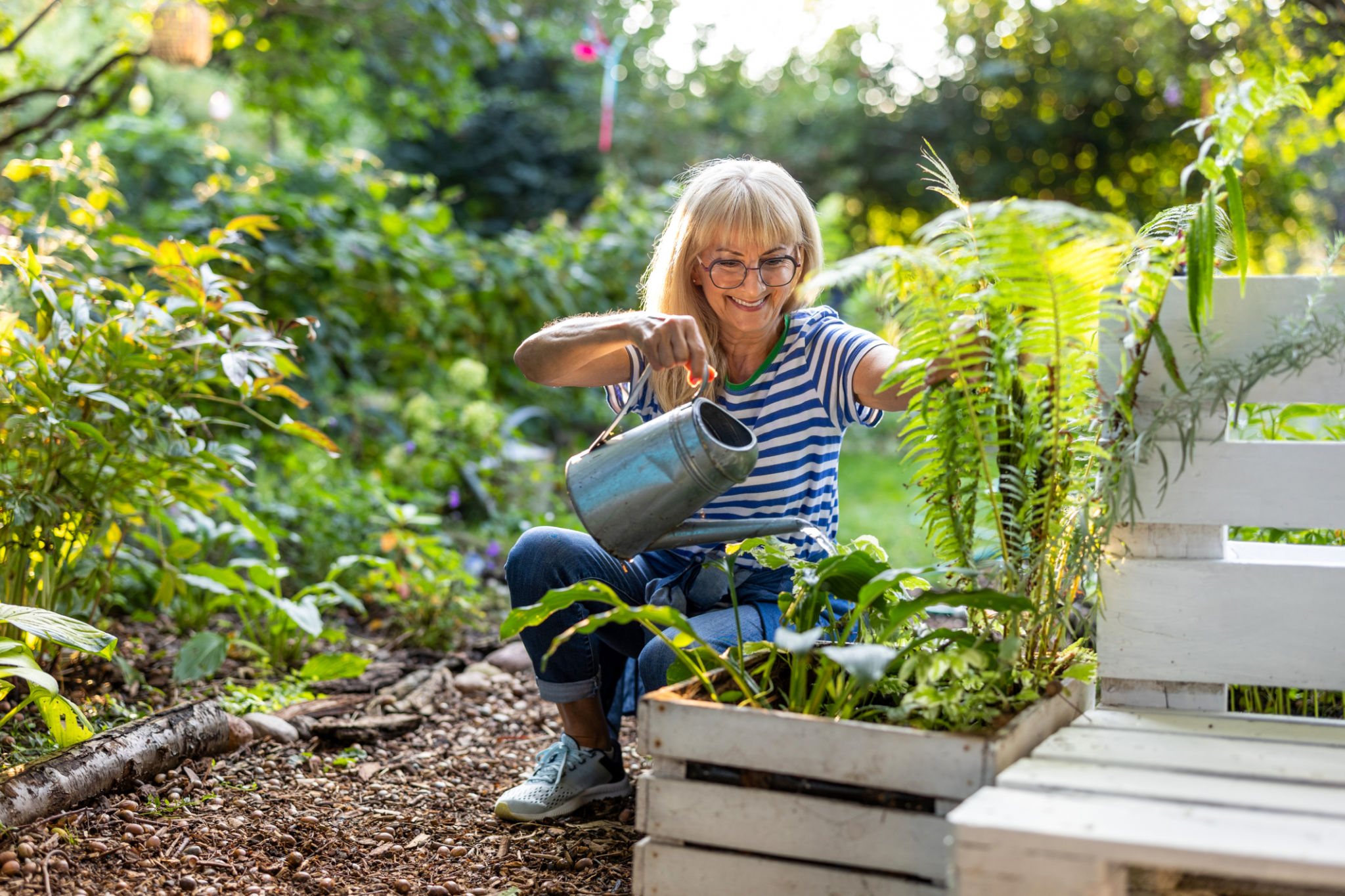
Spring is synonymous with growth and renewal, making it an ideal time to explore biology and environmental science. Students can participate in activities such as planting seeds and observing their growth. This hands-on experience not only teaches them about plant biology but also fosters a sense of responsibility as they care for their plants.
Mathematics in Bloom
Incorporate mathematics by measuring plant growth. Students can maintain a growth chart, which involves measuring the height of the plants each week and calculating the growth rate. This activity helps in understanding basic mathematical concepts like measurement and average.
Summer: A Time for Exploration
Summer is perfect for outdoor educational activities that encourage exploration and discovery. Nature walks and field trips can be organized to study ecosystems, geology, and local wildlife. These excursions help students connect with the environment and understand the importance of conservation.

Creative Writing Under the Sun
Encourage students to engage in creative writing by describing their summer experiences. Whether it's a day at the beach or a hike in the hills, writing prompts related to their adventures can enhance their descriptive skills and imagination.
Autumn: Harvesting Knowledge
Autumn provides a rich tapestry of colors and themes perfect for educational exploration. Activities such as leaf collection and classification can teach students about botany and the life cycle of trees. This hands-on approach helps solidify understanding through direct interaction with nature.
Science and History Connection
Integrate history by exploring the significance of harvest festivals around the world. Students can research different cultural practices and create presentations. This not only broadens their historical knowledge but also fosters respect for diverse traditions.

Winter: A Season of Reflection
Winter's quieter pace is ideal for introspection and deeper learning. Indoor activities such as science experiments can captivate students. Simple experiments like creating snowflake crystals teach about crystallization and the water cycle.
Art and Literature Warmth
Incorporate art and literature by studying winter-themed poetry and artwork. Students can create their own winter scenes or write poems inspired by the season. This multidisciplinary approach enriches their appreciation for art and literature.
Conclusion: Year-Round Engagement
By incorporating seasonal themes into educational activities, learning becomes a dynamic and engaging process. Each season offers unique opportunities to explore different subjects in creative and memorable ways. Embrace the seasons as a natural framework for learning and watch your students thrive.
