Unlocking Potential: The Power of Holistic Education


Understanding Holistic Education
Holistic education is an approach that emphasizes the development of the whole person. It goes beyond the traditional focus on academic skills to include emotional, social, and ethical growth. By nurturing all aspects of a student's development, holistic education aims to create a well-rounded individual who can thrive in various aspects of life.
Unlike conventional education, which often prioritizes standardized testing and rote memorization, holistic education encourages a more personalized and inclusive learning experience. This method fosters a deeper understanding and appreciation for learning, equipping students with the skills they need to succeed in a rapidly changing world.

The Core Principles of Holistic Education
Holistic education is built on several key principles that guide its practice. These principles include:
- Interconnectedness: Recognizing the interconnected nature of all things and understanding how different disciplines relate to one another.
- Empathy and Compassion: Encouraging students to develop empathy and compassion for others.
- Critical Thinking: Fostering independent and critical thinking skills.
- Creativity: Nurturing creativity and innovation through diverse learning experiences.
By integrating these principles, holistic education seeks to create a more engaging and meaningful learning environment.
The Benefits of Holistic Education
Holistic education offers numerous benefits that contribute to the overall well-being and success of students. Firstly, it promotes emotional intelligence, enabling students to understand and manage their emotions effectively. This skill is crucial for building healthy relationships and achieving personal fulfillment.
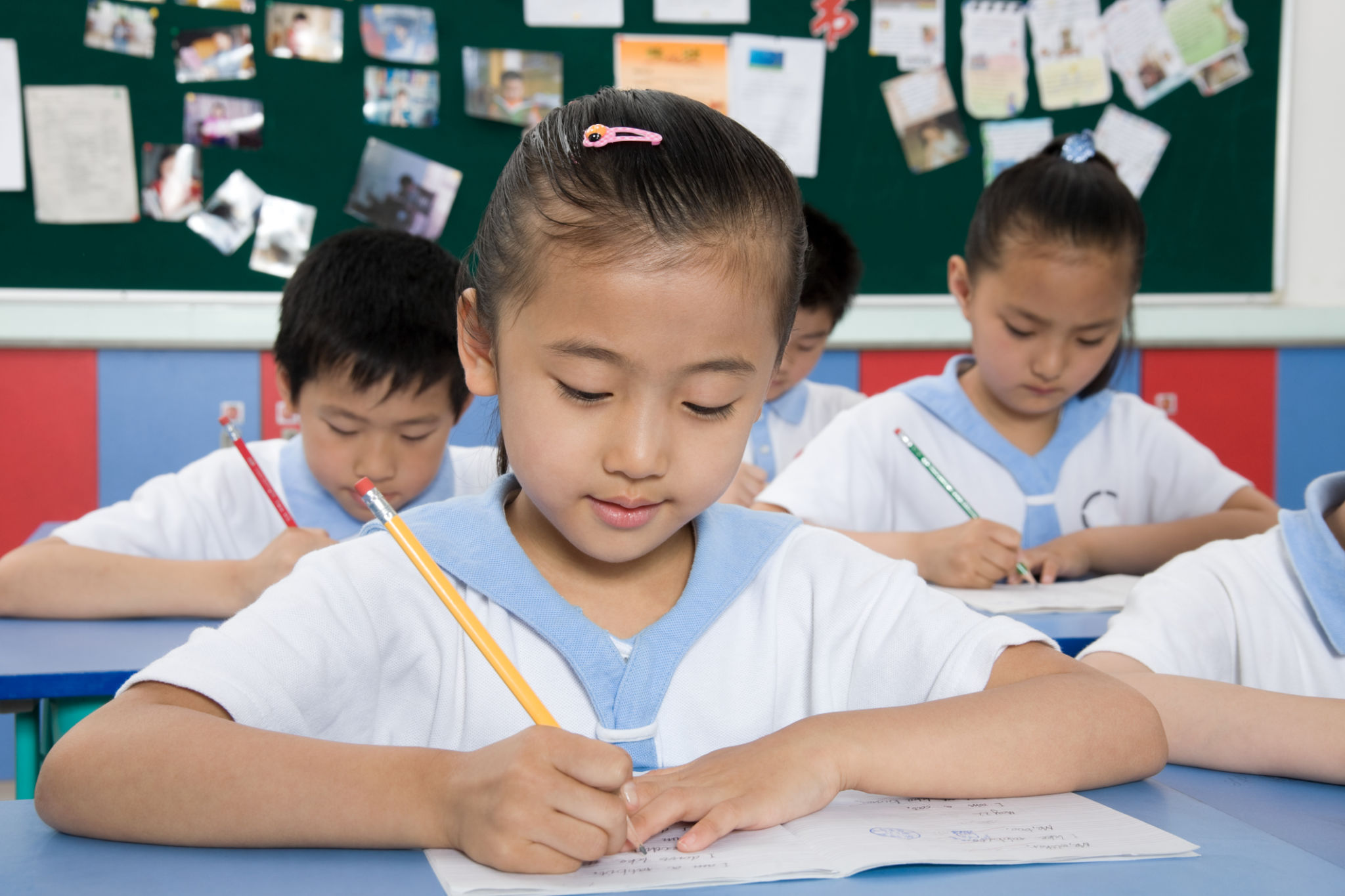
Secondly, holistic education encourages students to develop a strong sense of social responsibility. By instilling values such as empathy and compassion, students learn the importance of contributing positively to their communities. This sense of responsibility helps them become active and engaged citizens.
Implementing Holistic Education
Implementing holistic education in schools requires a shift in perspective. Educators must adopt a more flexible and student-centered approach, tailoring the curriculum to meet the unique needs of each learner. This can be achieved through project-based learning, collaborative activities, and personalized instruction.
Furthermore, schools can incorporate mindfulness practices, outdoor education, and arts integration to support the holistic development of students. These strategies help create a balanced learning environment where students can explore their interests and develop their potential fully.

The Future of Education
As the world continues to evolve, the need for holistic education becomes increasingly apparent. By preparing students to navigate complex challenges, holistic education equips them with the tools they need to succeed in both their personal and professional lives.
Ultimately, the goal of holistic education is to unlock the full potential of each student, fostering a lifelong love of learning and a commitment to personal growth. As more schools embrace this approach, we can look forward to a future where education truly empowers individuals to make a positive impact on the world.